
Num edifício recuperado do século XIX, em Vila do Conde, acomodaram-se cinco suítes associadas à literatura e com vista para o Mosteiro de Santa Clara. A Guesthouse Eça Agora! é um ponto de partida para se conhecer a cidade.
Tem o nome inspirado em Eça de Queirós, escritor que viveu naquela mesma rua, no centro histórico de Vila do Conde. Para lá chegar, em menos de nada, segue-se a direção da igreja matriz, cruzam-se as típicas ruas estreitas, de solares antigos, pintados de branco e debruados a granito. Os pés fazem-se ao caminho, dando folga ao carro, nesta cidade plana onde tudo fica perto. A dois passos do Largo da Roda, um edifício renovado do século XIX deu lugar a uma guesthouse com cinco suítes. Além de permitir viver a cidade, dormir ali é como ficar em casa de amigos.
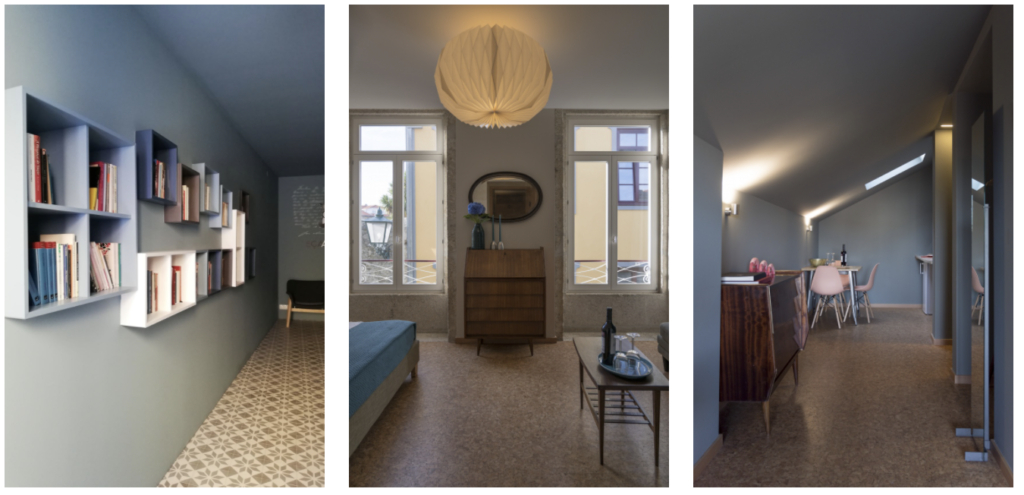
Alexandra Lima abriu a Eça Agora! em 2019, optando por fazer dela também um lugar para viver e instalar o seu atelier de arquitetura. “Estava à procura de casa e, ao ver o edifício, percebi o potencial”, conta, enquanto nos mostra o jardim nas traseiras. Na renovação, optou por materiais ecológicos, como, por exemplo, os têxteis das camas, em linho e algodão, a cortiça no chão ou a corda que faz guarda à escadaria, igual à utilizada pelos pescadores.
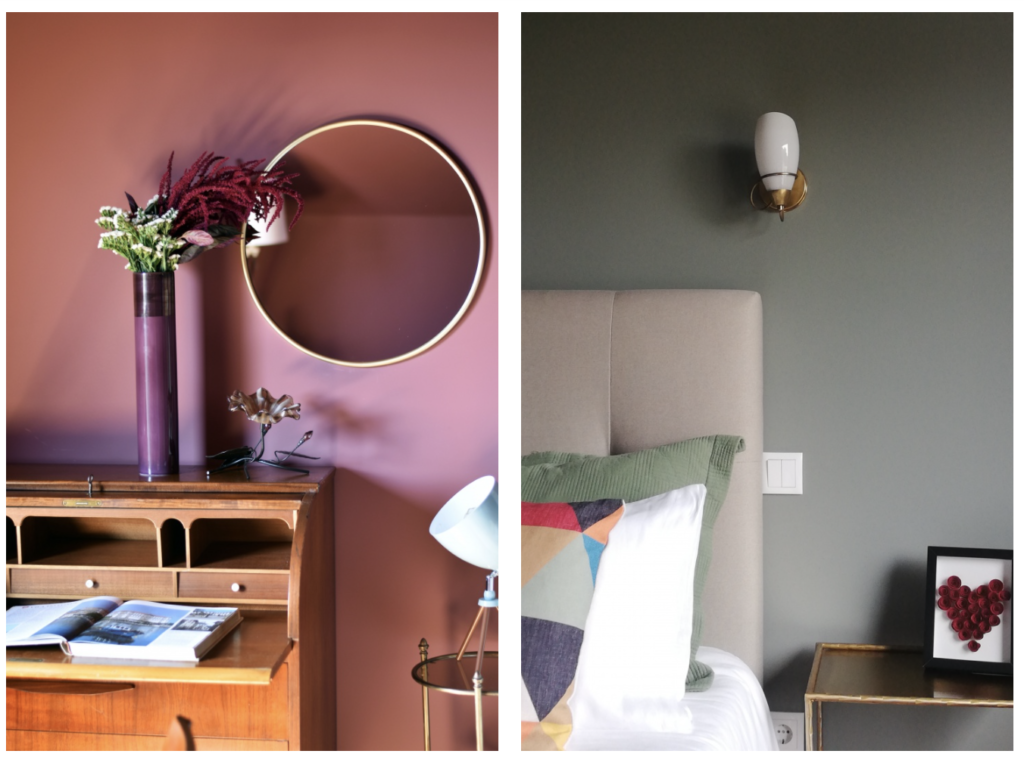
Habituada a viajar, Alexandra imaginou esta guesthouse com tudo aquilo que ela gostaria de encontrar num alojamento. “Adoro privacidade e de tomar o pequeno-almoço antes do banho”, explica. Além da copa com frigorífico, todos os quartos têm micro-ondas, torradeira e chaleira, para que cada hóspede possa preparar a primeira refeição do dia ao seu ritmo e com tranquilidade. “A ideia é ser um lugar para se estar; não só para dormir, mas para ficar”, acrescenta Alexandra.
Com vista para o Mosteiro de Santa Clara, a casa foi decorada com mobiliário de estilo vintage, coordenado com outras peças contemporâneas, feitas com materiais naturais. Cada suíte foi associada a um romance de Eça de Queirós, cujos livros estão à cabeceira para quem os quiser ler. À chegada, Alexandra entrega um guia, no idioma do hóspede, com sugestões de passeio, porque, diz, a cidade “é um porto de abrigo e um ponto de partida” para se conhecer a região. Depois, é sair à rua e deixar-se levar na direção do mar ou seguir junto ao rio Ave.
Artigo Visão: https://visao.sapo.pt/visaose7e/escapar/2021-11-11-guesthouse-eca-agora-uma-casa-de-charme-em-vila-do-conde
Eça Agora received the “Clean & Safe” seal that identifies tourist developments that ensure the hygiene and cleaning protocols for prevention and control of Covid ‑ 19.
The seal is issued by Turismo de Portugal and is valid for one year.
See full listing here.
Boa Cama Boa Mesa journalists traveled the country to select the best restaurants and accommodations in Portugal. The result is this guide, which has been published since 2003, and is also an invitation to discover Portugal. Organised by districts, to facilitate consultation, and divided into Boa Cama (Accommodation) and Boa Mesa (Restaurants), the guide presents more than 1000 suggestions, selected based on several evaluation criteria.
Check this out here.
Located in Vila do Conde, on the street where Eça de Queiroz lived, there is a renovated space whose main objective is to welcome those who pass by. The rehabilitation of the building gave way to the local accommodation space Eça Agora which, as the name implies, has as main theme Eça de Queiroz and Vila do Conde.
Read the full article here.
The author of Os Maias lived here in front and inpired the Guest House Eça Agora. In the historical center of the city, space and comfort combined with literature for a journey through the land that inspired so many writers.
Read the full article here.
If you’re thinking in making the perfect getaway and stay in Vila do Conde for a few days we have 4 walking trails for you!
Walk 1: Meet the major points of interest in Vila do Conde
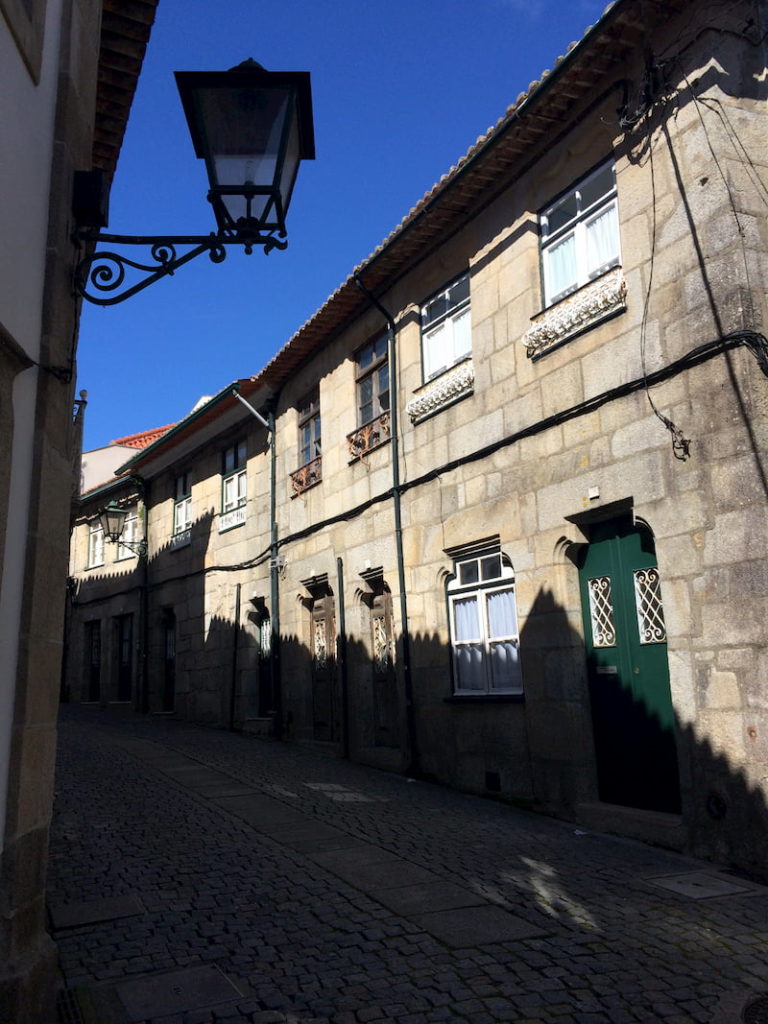
When leaving Eça Agora! Guest House, turn left and then left again – you are on Rua da Igreja – one of the oldest streets in Vila do Conde, characterised by houses of 16th century architecture.
Going down the street, you will find Praça Vasco da Gama on the right, where the building of the Council’s Chambers and the pillory are located. St. John the Baptist’s Church is on the left.
Go straight ahead to Rua do Lidador, which starts at the chapel of S. Roque. On the left you will find the SOLAR Cinematic Art Gallery.
Follow the same street to the Ave River – turning left you will find Praça da República, with houses and manors from the 19th century.
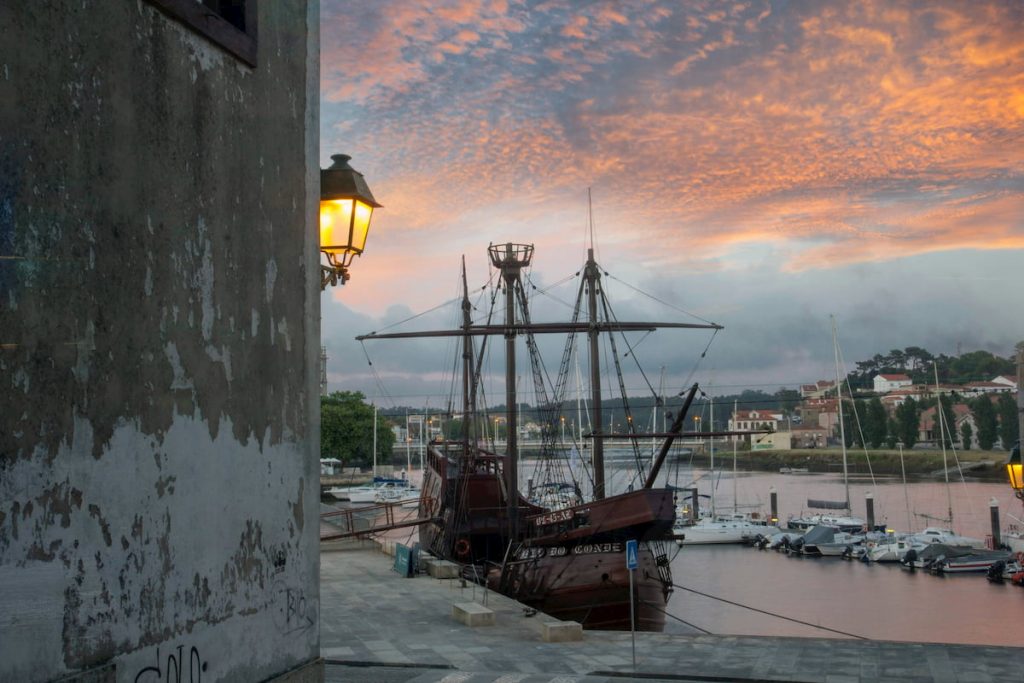
If you turn right (following the river to its mouth) you will find Cais da Alfândega, with an anchorage for recreational boats. Here you have the tourism office and, further ahead, the replica of a 16th century ship and the Alfândega Régia museum.

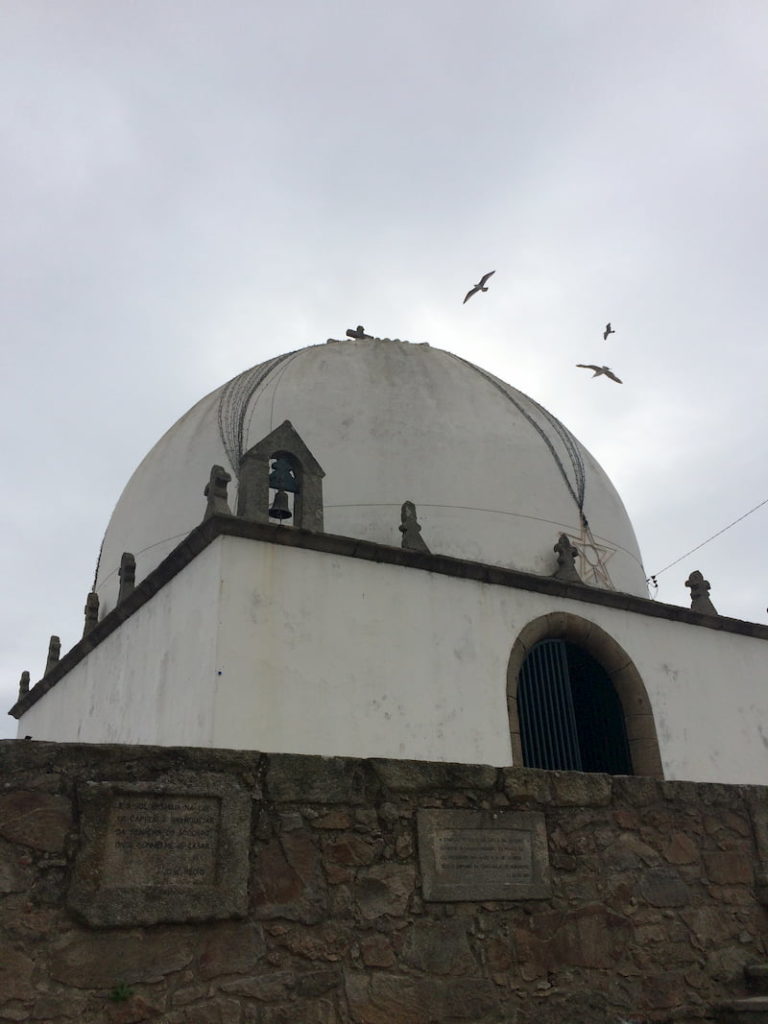
Just ahead, go up the stairs that give access to the Chapel of Nossa Senhora do Socorro. Follow through Rua do Socorro and Rua dos Prazeres to Largo do Laranjal.
Following to the left, you will find the chapel of S. Bento – continue along the street with the same name and you can visit the Museum of bobbin lace.
Crossing Rua 25 de Abril, follow Rua da Misericórdia, where you can appreciate the church with the same name. Arriving at Av. Dr. Artur da Cunha Araújo. Turning right, you are back to Rua da Costa where you can rest enjoying the view from your room.
Walk 2: Vila do Conde Culture
When leaving, turn left and go straight on Av. Dr. Artur Cunha Araújo; look for the house where Guerra Junqueiro lived, neighboring the Conde Ferreira’s School, a building that curently houses the local Parish Council.
Go towards the sea. In 5 minutes you will be on Av. Júlio Graça, where the Old Casino is located – today the Municipal Youth Center – and where you can appreciate other buildings from the beginning of the 20th century’s Art Deco style.
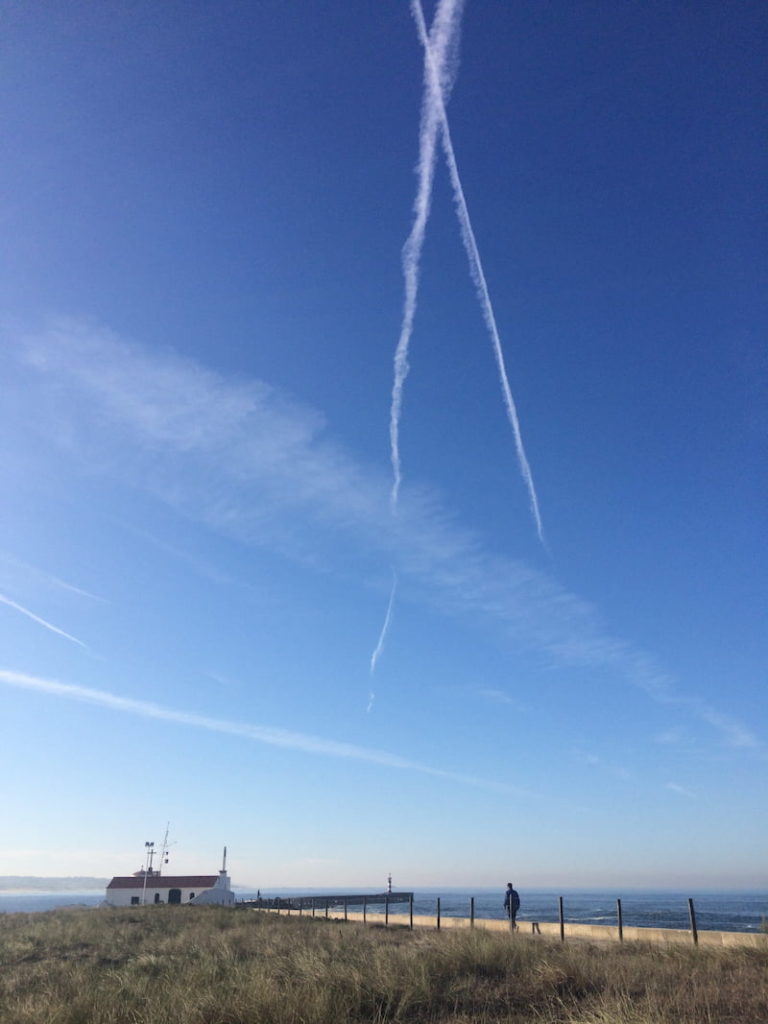
Continue straight on to Av . Bento de Freitas – characterized by the summer houses of the beginning of the XX century. Arriving at the beach, turn left and go along the marginal (project by Arq. Siza Vieira) to the St. John the Baptist’s Fort.

Further ahead you will find the Chapel of Nossa Senhora da Guia, implanted on the rocks in the sea. Go along Av. Júlio Graça (bank of the Ave River) until you find the fish market with his fishing boats, followed by Praça D. João II.
Moving forward through Largo da Alfândega, you will pass the replica of the 16th century Nau (ship) and the Museum of Alfândega Régia. Follow Rua do Cais das Lavandeiras -with its anchorage for leasure boats – until Praça da Républica, with houses and manors from the XIX century.
Walk up the sidewalk of Lidador (on the left) and then take Rua do Lidador to the SOLAR (cinematic art museum) and the chapel of S. Roque.
Cross Rua 25 de Abril, going straight ahead towards the Church of St. John the Baptist (XVI century) and Praça Vasco da Gama, with its pillory and the building of the town hall (XVI century).
Go straight ahead to Rua da Igreja – characterized by the 16th century houses – and at the end, turn right. You are at Rua da Costa where you can rest peacefully in your room.
Walk 3: Vila do Conde’s Centenary History
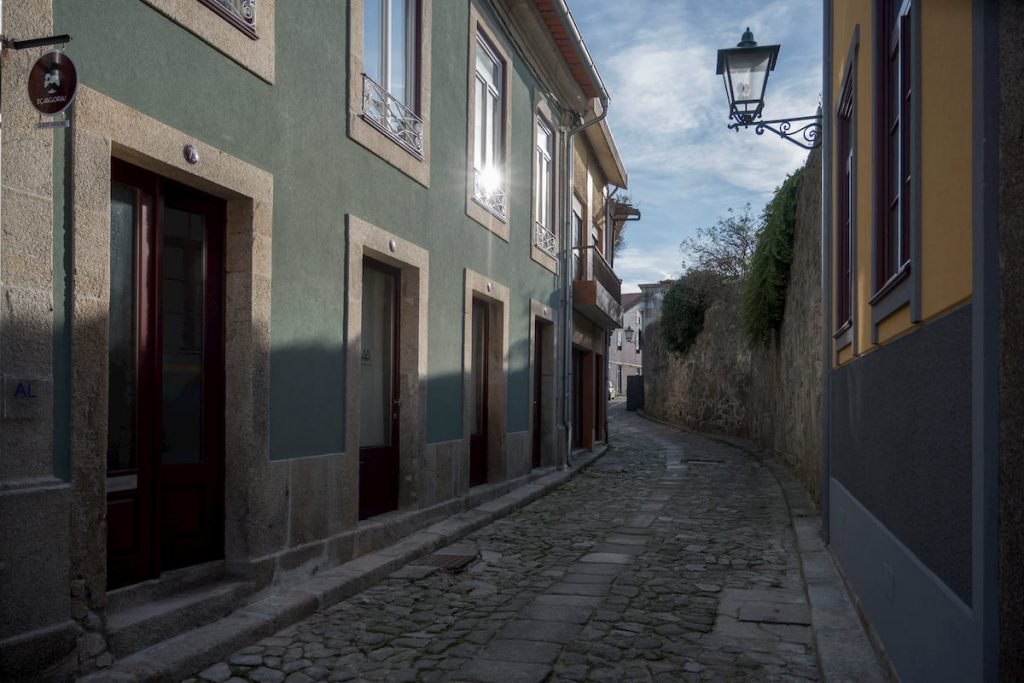
When leaving our Guest House turn right, where you will find Largo da Roda, a small and picturesque place, where the Roda dos Enjeitados (where children were anonimously left at the care of the church), functioned for several years. On one of the corners you will find the house where Eça de Queirós lived, one of the most important novelists of the Portuguese language, who inspired the name of Eça Agora!
Following through Rua da Costa, and crossing Rua Conde D. Mendo, you will find Largo Antero de Quental, where you can visit the museum house with the same name. Before Antero, Camilo Castelo Branco had already lived in this square in a small house, whose front panel displays a tile panel, recalling the passage of the author of “Amor de Perdição” by Vila do Conde.
Continue along Rua General Lemos until you cross Rua 5 de Outubro, where you will find the Memory Center – Municipal Archive, Archeology Office and the Central Nucleus of the Vila do Conde Museum – which results from the recovery of an old 17th century manor house, with seven thousand square meters of gardens.
Here you can enjoy the permanent exhibition “Vila do Conde: Time and Territory” as well as other temporary exhibitions.
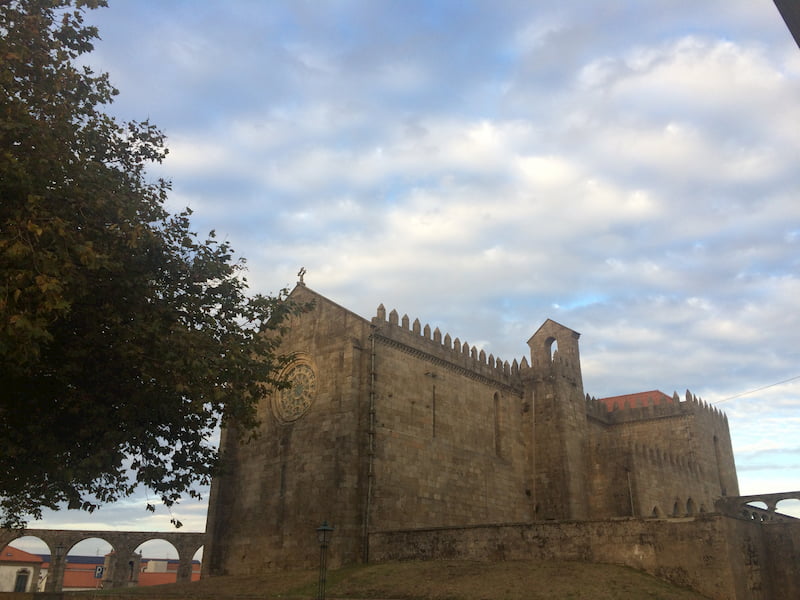
Cross the gardens until you come out to Rua de S. Francisco, marked by the imposing Aqueduct, which you can follow to your destination – the Santa Clara Monastery – a monument that was restored and expanded in the 18th century, and is one of the most important monuments of Vila do Conde.
Go down the Calçada de S. Francisco to Avenida José Régio, where you will find the house where this Vila do Conde’s poet was born and lived, and that now functions as a museum house and preserves furniture and pieces of sacred art collected by him. You can make a detailed visit to this intimate space and the small garden that integrates it.
Follow through Rua 25 de Abril, passing the award-winning Banco Português de Investimento building designed by architect Siza Vieira, and cross Praça de São João, observing the statue of the city’s patron saint.
Enter the Municipal market where you can find some shops and cafes that open daily. Friday, however, is the day dedicated to the weekly fair, when the whole space is filled with local farming products, amongst others.
If you exit the opposite entrance to Praça S. João or go up the granite staircase next to the market fountain, you will be at the beginning Rua da Costa where you can relax in your suite.
Walk 4: Discover our coastline
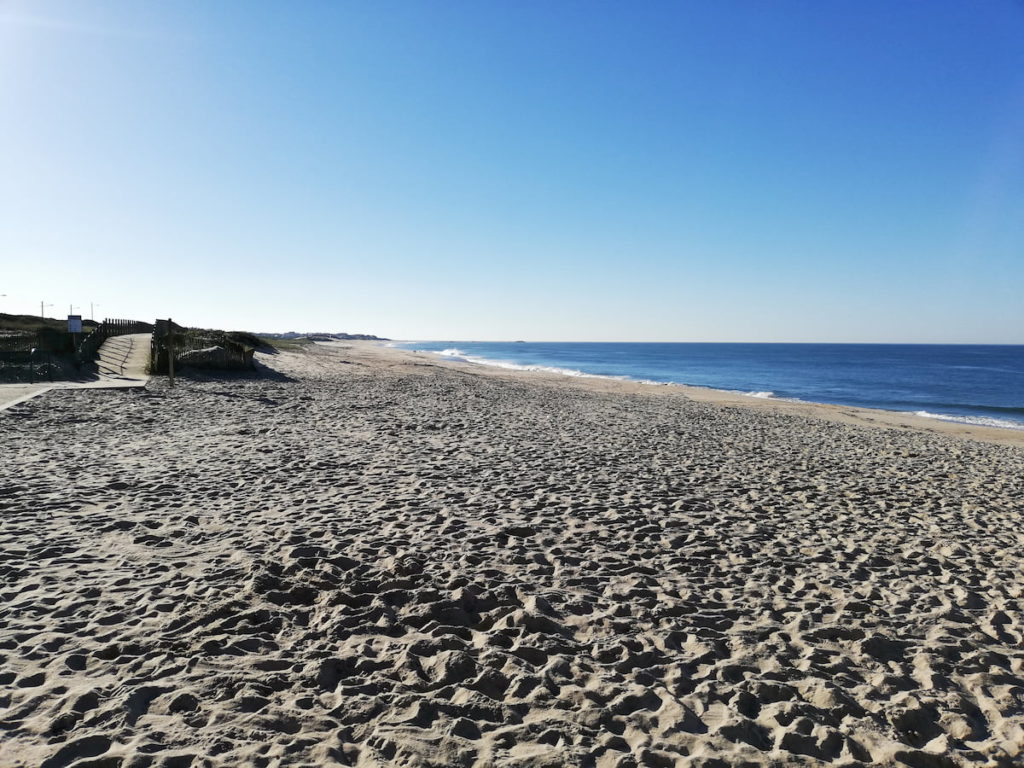
Start: Rua das Salinas | Azurara
End: County boundary | Labruge
Extension: 6000 meters
It is a pedestrian and cycling route that runs along the entire coastline of the county, south of the Ave river, bordering the municipality of Matosinhos.
It has a total extension of about 8.600 meters, of which 6.000 meters correspond to raised wooden walkways. Among other points of interest, Castro de S. Paio (porto-historic maritime settlement), in Labruge, is considered the only maritime castro in the Portuguese part of the peninsular northwest.
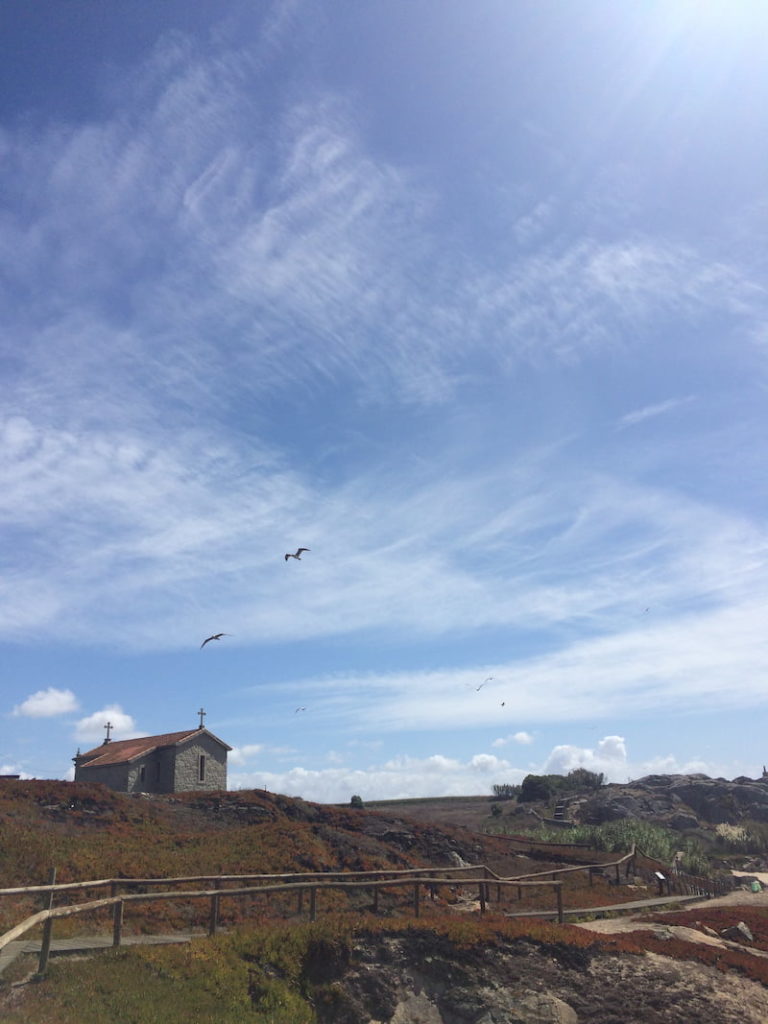
The natural heritage of Vila do Conde is relevant and diversified, giving special relevance to the Region’s Protected Landscape of the Coast of Vila do Conde and the Ornithological Reserve of Mindelo. Here, you can appreciate the natural beauty of the beaches, walking along the sea walkways, observing dune cords, rocks, wetlands and agricultural areas.
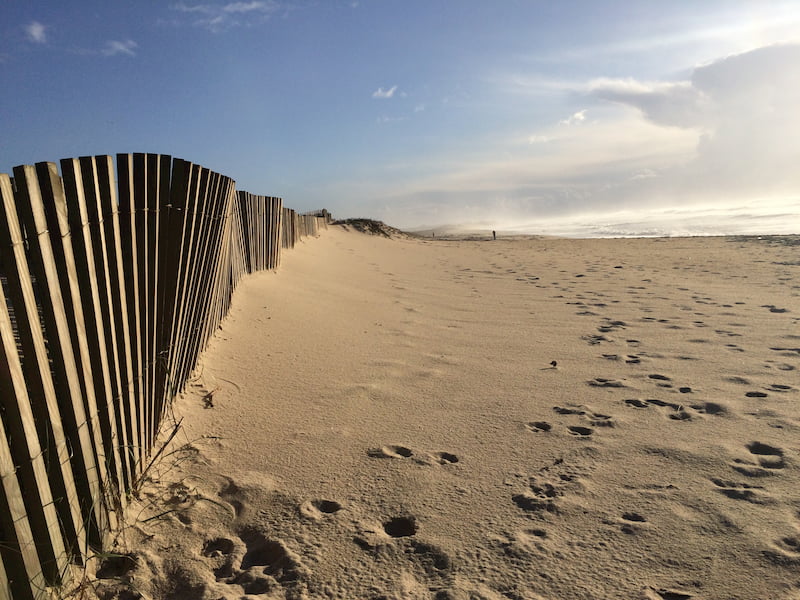
It currently constitutes a place of refuge for more than a hundred species of birds, especially migratory birds. It is also a unique area on the northern Portuguese coast due to the biodiversity that it hosts in terms of flora, amphibians, reptiles, birds and mammals, to which the set of temporary ponds in the dunes and some permanent ponds in the pine forest area, contribute.
